

My whirlwind trip to Japan was on the bucket list for a while, and I’m so happy I went.
What struck me most was how kind Japanese people are. The trains were daunting at first, and finding the station exit proved harder than you’d expect. With Google Translate failing us layers underground, I asked a young man to point us to the exit. His English was limited, but he went out of his way to walk us up several escalators and point us out the doors.
Thanks for reading! Subscribe for free to receive new posts and support my work.
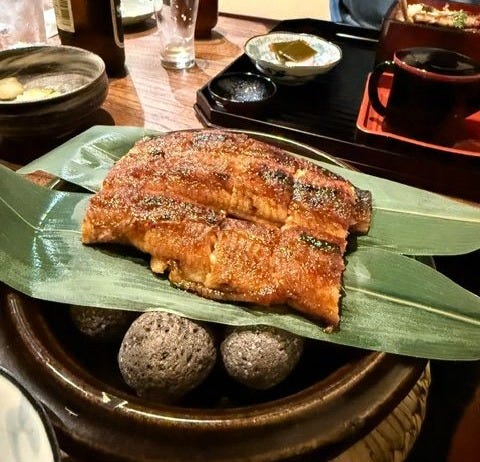
Equally memorable was the maniacal attention to detail and specialty focus. Every matcha drink took precious prep time, and it was worth the wait. Because everyone waits, you slow down, practice patience and take your turn. Imagine restaurants that serve only chicken (every part, cooked different ways), or only unagi, tempura, ramen or octopus. When focus becomes critical, mastery follows.
In less than two days I felt safe because I was treated with kindness and respect. I also felt looked after, eating some of the tastiest meals of my life.
The paradox of scale
Greater Tokyo has roughly the same population as California, yet it’s clean, calm, surprisingly quiet and on time. Scale is no excuse for chaos. Order comes because most people follow the rules, and I believe it’s because children learn to tidy up and look after their environment long before exams and grades.
That’s not to say Japanese people don’t let their hair down long into the night, but it’s impressive nonetheless.
The lesson: be ready for scale at any time. Too many rules at the outset spoil creative thinking, but a lack of basic rules creates friction and slows everything down. Japan runs on unwritten rules gained through shared experience. Startups don’t have that history yet, so write some things down, just not carved on tablets. The rules will evolve.

Simplicity is a decision, not a default
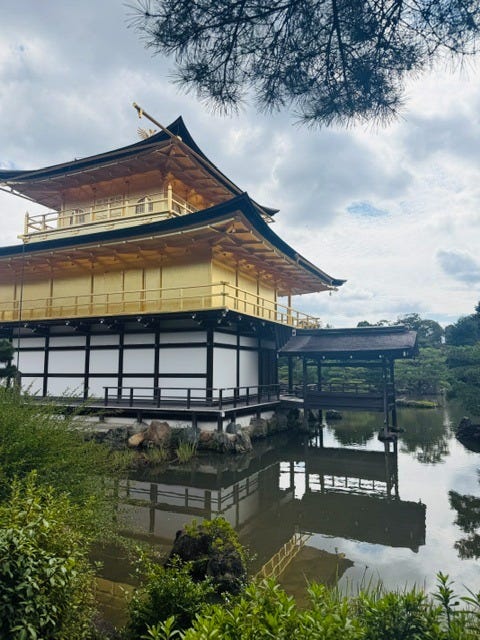
In Japan, design removes things until only what matters remains, in packaging, signage and shared spaces. Zen traces back to the 12th century, rooted in Buddhism and sitting meditation. Today we associate it with clean, simple lines that are actually hard to replicate.
Most startups lean noisy early on. Multiple experiments need to happen fast, and urgency sets in around product-market fit. I’ve seen founders shout their features loudly when their audience just needs to know: “Can you solve my pain?” The how always comes later. Clarity means choosing what to leave out.
If you can’t say who you are and why you’re different in one sentence, you haven’t simplified. Early startups need to be more zen-like.
Specialty builds authority
Beyond specialty restaurants, Japan passes down entire crafts through generations. It’s not unusual to find a noodle shop that has made one thing for three generations. The same goes for knife making, ceramics and textiles, or a geisha or sumo wrestler devoting decades to a way of life.
In crowded categories where features are copied in weeks, depth wins over breadth. Pick your niche, own a point of view, become the specialist. Over my career, I’ve helped form markets around real-time data movement, cloud consumption management and observability. A narrow focus can define, or even disrupt, a market.
Customer focus that anticipates
One of my favorite experiences was not only the greeting when we entered a shop or restaurant, but the exceptional gratitude, even applause, as we left. Everyone gets the same high-class treatment. So simple, yet so memorable.
Omotenashi means treating customers with deep sincerity and anticipating what they need before they ask, with no expectation of reward. Wow.
Young startups make buyers do the legwork: forms, gated content, cold emails, clunky onboarding. What would it look like to anticipate the buyer’s next question? Go the extra mile to educate buyers on what working with you will look like. Treat every prospect with equal respect. You never know where that person will show up, or when their timing will align.
Stay human
Plenty of my trip was automated and digitized, but there was always a human when we needed one.
AI can execute many tasks, but taste, judgment and care are human. When anyone can build a product, the companies that feel crafted stand out. For early-stage marketers, tools make you fast, but craft makes you memorable.
Big takeaways
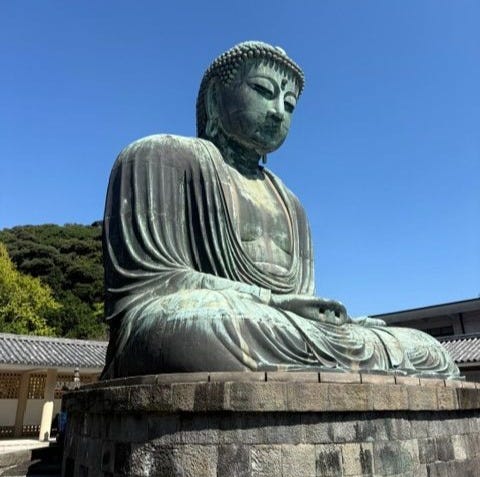
I visited many historic temples and shrines, soaking up Buddhist and Shinto beliefs that happily coexist. They left beautiful images, but the memories that last come from feeling trusted and respected. For a startup, trust is the scarcest asset you have.
Founders, if a buyer experienced every touchpoint of your company today, what would stand out? Would they remember it? Would they come back? And most importantly, would they tell others?
Thanks for reading! Subscribe for free to receive new posts and support my work.